 “THE BLACK POWER MIXTAPE 1967-1975” My rating : B
96 minutes | No MPAA rating
I’m not sure how members of other generations will view it, but for this boomer “Black Power Mixtape” was a sort of wonderful time machine to a not-so-wonderful time.
Goran Hugo Olsson’s documentary has been fashioned primarily out of footage shot by crews from Swedish television who in the late ‘60s and ‘70s reported on social upheaval in the U.S.
The Scandinavians were particularly intrigued with race relations in this country, especially the rise of the Black Power movement, the backlash from the powers that be and the arrival of charismatic new voices like Angela Davis, Stokely Carmichael and Bobby Seale.
“BPMT” probably isn’t the first doc you should watch if you’re trying to understand that era. Its approach is impressionist rather than comprehensive; it doesn’t try to be all things to all viewers.
But it’s so jammed with incredible footage — not to mention recent interviews with movement’s players — that it provides a treasure trove of images and ideas. The end result is a picture that shows how far we’ve come…and how far we still have to go.
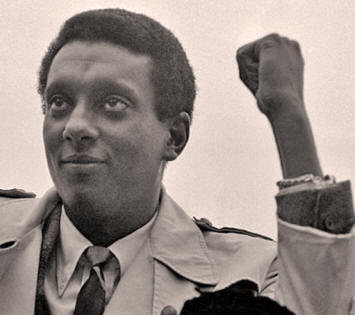
Stokely Carmichael...power to the people
The Black Power movement was confrontational and very public (listen up, Occupy Wall Street!); simply by suggesting a possible violent reaction to repression it shocked white America into paying attention (and, not coincidentally, triggered persecution both legal and lethal).
The Swedes were ahead of their time. Long a racially tolerant society, their TV newsmen overwhelming sympathized with the Black Panthers and other African American elements — so much so that TV Guide ran a large “expose” on how Swedish television news depicted the U.S. and concluding that neutral Sweden was very nearly as dangerous to American interests as the USSR.
I remember at the time wondering if Stokely Carmichael of the Southern Christian Leadership Conference was some sort of agent provocateur; now he comes off as restrained, intelligent and a brilliant speaker. Watch the segment in which he takes a microphone from a Swedish journalist and proceeds to interview his own mother about his painful childhood.
And watching Angela Davis do intellectual gymnastics — all while facing a bogus murder charge — is like stumbling across a modern-day Joan of Arc.
Great stuff.
| Robert W. Butler
 Butler's Cinema Scene
Leave a comment