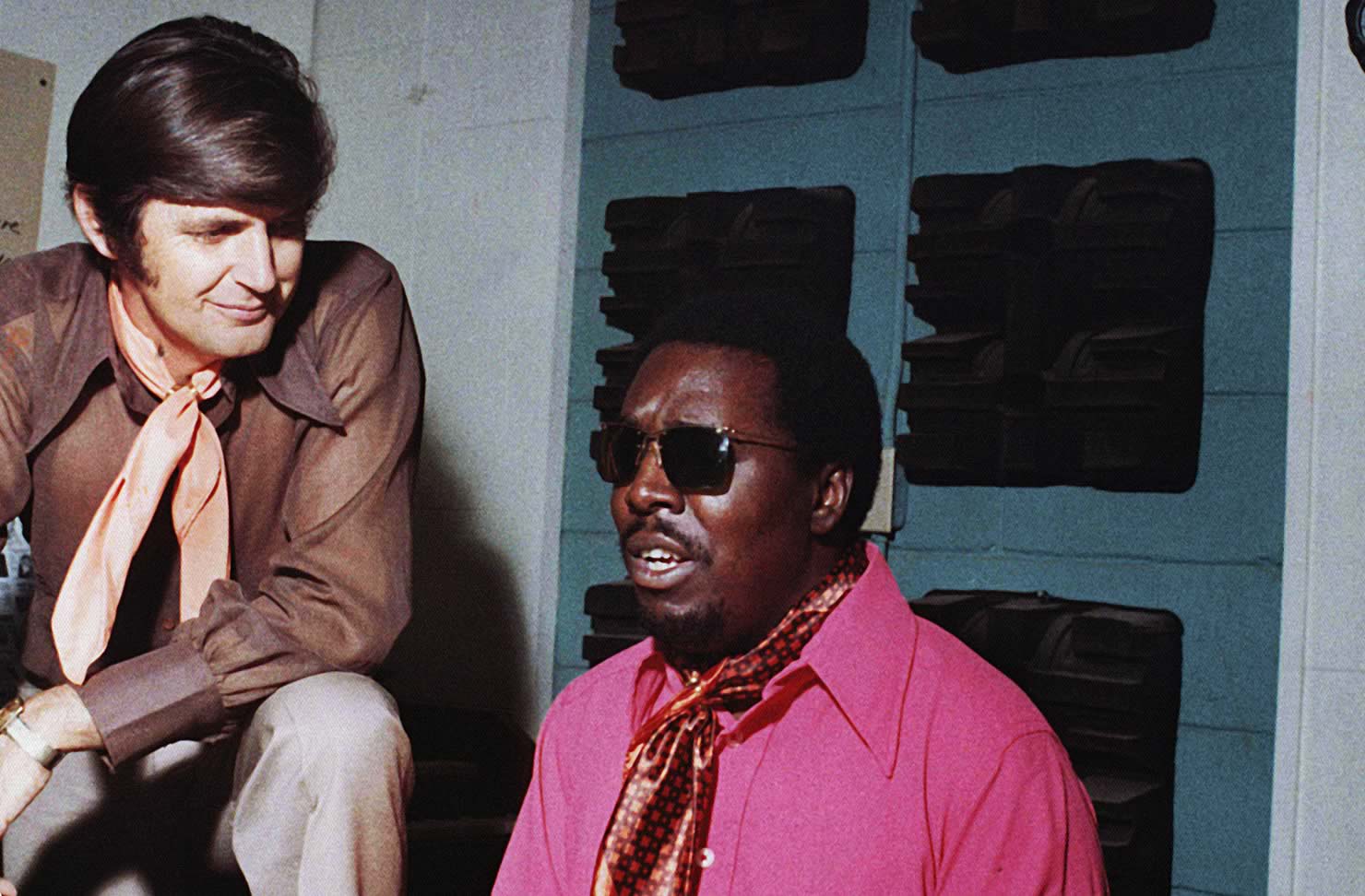
 “MUSCLE SHOALS” My rating: B (Opening Nov. 1 at the Tivoli)
111 minutes | MPAA rating: PG
Like “Standing in the Shadows of Motown,” “AKA Doc Pomus” and “Tom Dowd & the Language of Music,” the new documentary “Muscle Shoals” leaves you stunned at the realization of the great music created by just one individual, record label or – in this case – town.
Muscle Shoals, Alabama, population 8,000, is a redneck burg of no particular distinction. Yet it became the birthplace of some of our greatest R&B and rock. Why should a rural town in one of the most racially-charged states have become a happy melting pot of black and white music-makers?
Greg Camalier’s film tries to answer that. Maybe it has something to do with the landscape – Native Americans called the nearby Tennessee River “the river that sings.” Opines U2’s Bono: “It’s like the songs came out of the mud.”
Whatever. Here’s what we can say for certain.
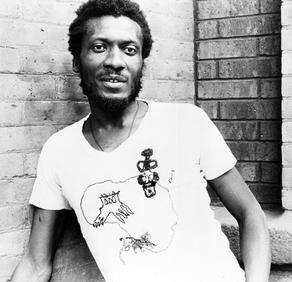
Jimmy Cliff
In the early ‘60s a local guy named Rick Hall created a recording studio in Muscle Shoals and hired a bunch of local white kids as a house band. As individual musicians they weren’t all that great – not at first, anyway — but together they had a synergy, a creativity that allowed them to take any performer, any song, and find just the right approach and arrangement. They became known as The Swampers.
Hall’s Fame Studio in Muscle Shoals got a big shot in the arm when a local nursing home worker named Percy Sledge recorded “When A Man Loves a Woman” there. Attracted by that huge hit, as well as tunes recorded in Muscle Shoals by Arthur Alexander, big-time record producer Jerry Wexler began bringing artists like Wilson Pickett and Aretha Franklin to work with Hall and the Swampers.
The combination of black artists and a white producer and studio band resulted in spectacular music like “Respect” and “Land of 1,000 Dances.”
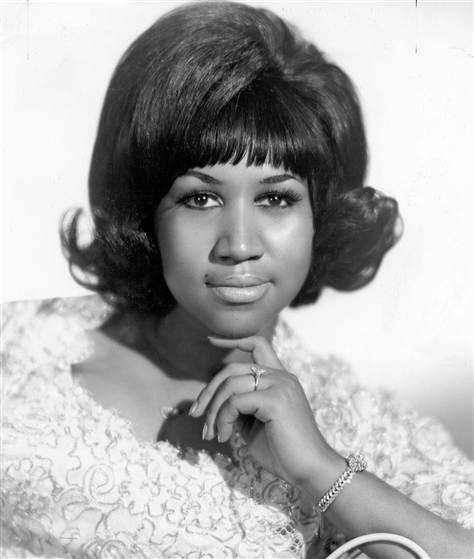
Aretha Franklin
We get on-camera testimonials from Mick Jagger and Keith Richards (who recorded “Wild Horses” in Muscle Shoals), Jimmie Cliff (whose “Sitting in Limbo” preceded the Bob Marley reggae revolution by several years), Gregg Allman, Steve Winwood, Paul Simon
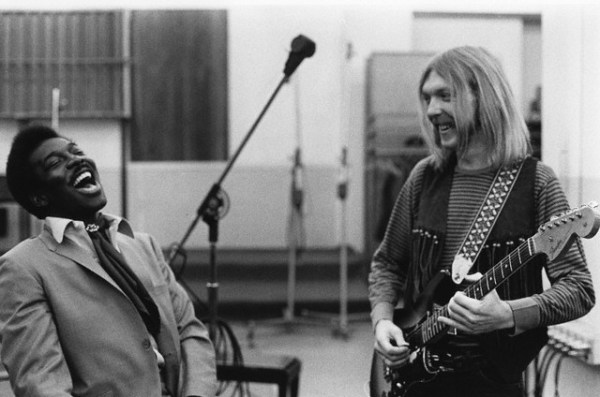
Wilson Pickett, Duane Allman
(who recorded songs for the “There Goes Rhymin’ Simon” LP there), Aretha and others. There’s footage of the late Etta James recording in Hall’s studio. We hear how the band Lynyrd Skynyrd used to get in brawls with the local ‘necks, who hated long-haired hippies even more than they did black performers being treated as equals by their fellow musicians.
“Muscle Shoals” isn’t a great documentary – it never achivieves the emotional power of one – but with its seemingly never-ending parade of memorable music, it makes that little Alabama burg seem like a pretty nifty place to visit.
| Robert W. Butler
 Butler's Cinema Scene
Leave a comment