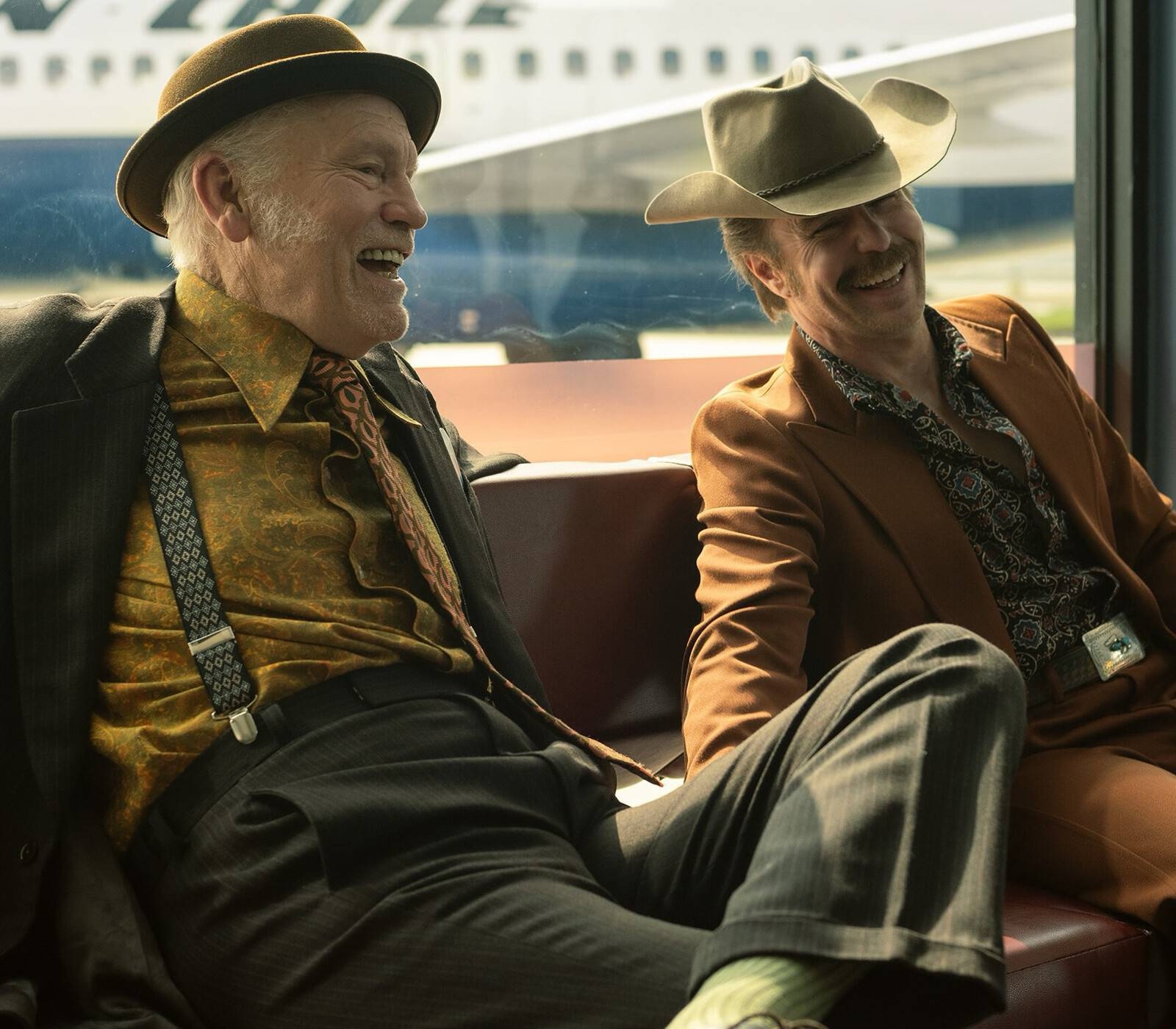
John Malkovich, Sam Rockwell
“WILD HORSE NINE” My rating: B (In theaters)
116 minutes | MPAA rating: R
Martin McDonagh specializes in writing reprehensible characters in such a way that we’re less offended than entertained by their depredations.
The latest example of this narrative witchery is “Wild Horse Nine,” a buddy comedy about two spooks planning to overthrow a government.
You will laugh. A lot. Although you may feel badly about it later.
Our protagonists are Chris (John Malkovich) and Lee (Sam Rockwell), longtime partners in CIA skullduggery. It’s 1973 and they’ve been stationed for a year in Chile with a mandate to assassinate President Salvador Allende (the hemisphere’s first popularly-elected Marxist leader) and turn the country over to a junta of right-wing militarists.
“Wild Horse Nine” takes place a few months before that notorious coup. We don’t see it, but we sure get an earful from the chatty Chris about what’s in store for all those unsuspecting leftists once the ball gets rolling. We’re talking soccer stadiums being converted to concentration camps and mass graves.
In fact, Chris’s big mouth is becoming a problem. His CIA boss (Steve Buscemi) worries that Chris is falling prey to the double whammy of incurable cancer and rapidly advancing dementia. He’s saying in public thing that ought to be kept secret. (Like, for instance, his role in JFK’s assassination; the rifle he used that day is among his most cherished possessions.)
McDonogh’s screenplay sends this Mutt and Jeff duo off to Easter Island. Ostensibly it’s a last-wish vacation for the dying Chris, but Lee also has instructions to kills his mentor and partner before returning to Santiago. Lee has shot plenty of people, but he’s conflicted about this assignment.
So even while they’re doing touristy things like visiting the island’s big stone heads (lovingly captured in Ben Davis’ sumptuous cinematography) and communing with the untamed horses that run free there (thus the movie’s title), there’s growing uneasiness. Can Lee ever bring himself to pull the trigger on his bestie?
He’s reluctant even after the CIA kidnaps his boozy sleeparound wife (Parker Posey in a brief but wildly entertaining extended cameo) and kids to ensure Lee’s cooperation.
As writer and director McDonagh tries to have it both ways. He wants us to be simultaneously outraged and amused. Chris and Lee, after all, are the conscienceless tools of American arrogance and might (Lee even sports a cowboy hat); in anybody else’s film they’d be heavies.
The good news is that in the hands of Malkovich and Rockwell they’re able to pull it off. McDonough has given his stars pages of delicious repartee, liberally seasoned with “fucks” and filled with little bombshells of comic discovery.
Malkovich is particularly effective. In recent years he’s specialized in playing eccentric oddballs, and Chris is a distillation of all that has come before, a drug-taking cynic hiding behind a smarmy/jokey exterior. Chris has seen and done so much bad stuff that he’s developed a WTF attitude toward even his own mortality. Expect to see Malkovich in the Oscar race.
Rockwell’s Lee is more a second banana here — straight man to Malkovich’s untameable crazy but carrying the film’s emotional weight. After all, while Chris indulges his bizarre whims, Lee must try to find a way to keep both his partner’s madness and his bosses’ displeasure at bay.
For most of its running time “Wild Horse Nine” is violence-free. But in its final moments Chris gets to working doing what he does best. Perhaps at long last he’s developed a conscience and now, feeling revulsion for his transgressions, is trying to atone.
Or maybe he just wants to go out with a bang.
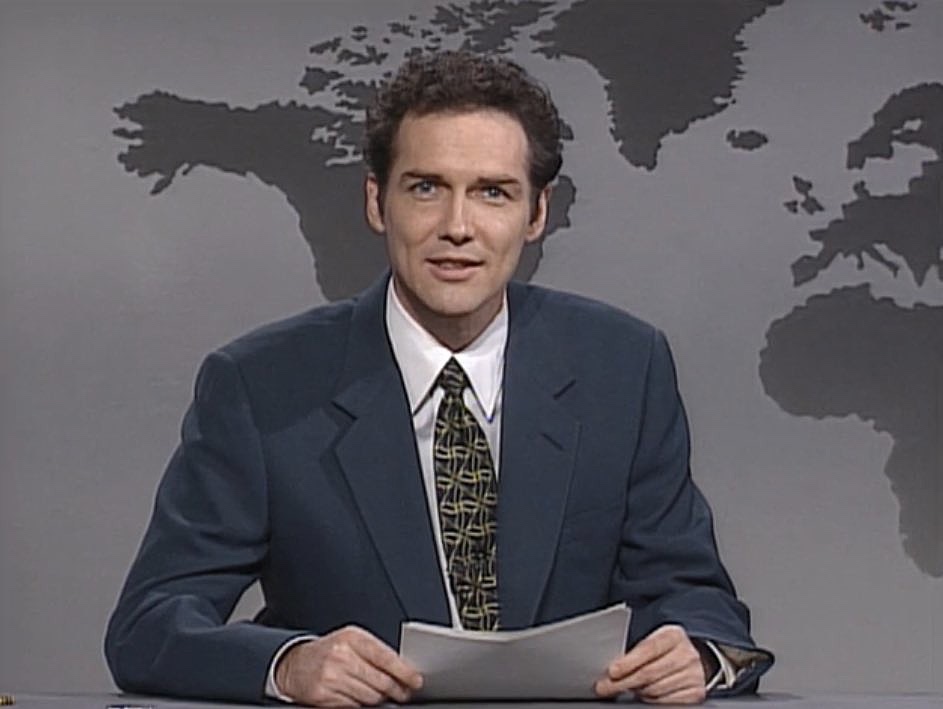
“NORM: THE TALE OF NORM MACDONALD” My rating: B (Netflix)
126 minutes | MPAA rating: R
Judd Apatow’s tribute to his friend and colleague Norm MacDonald is less a conventional biographical documentary than a sort of “greatest hits” tour of the comic’s career.
No recitation of childhood landmarks. Little about his family. (We learn he lived next door to his mother and had a beloved son, although there’s no mention of the kid’s mother.)
Instead the doc relies mostly on MacDonald’s TV appearances and standup routines. What we learn of Norm we get by osmosis from hearing that deadpan voice saying some of the most outrageous things…and getting away with it.
Every now and then a famous talking head pops up to say something nice about MacDonald, but mostly it’s one hilarious routine after another.
Late in the film — after he’d been undergoing cancer treatment for over a decade — Norm says that he’s a Christian. I’m going to assume he meant it, although with that impish smile he might just be putting one over on us.
| Robert W. Butler

