Feeds:
Posts
Comments

Posts Tagged ‘reviews’

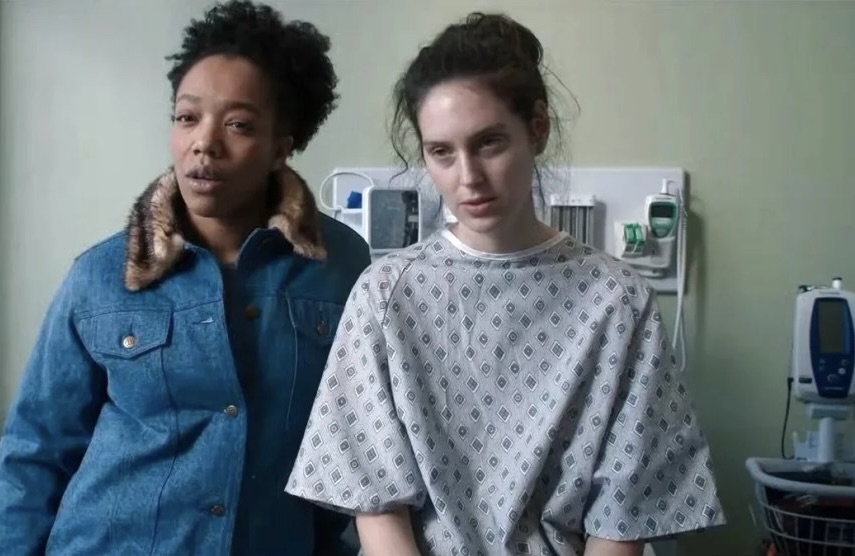
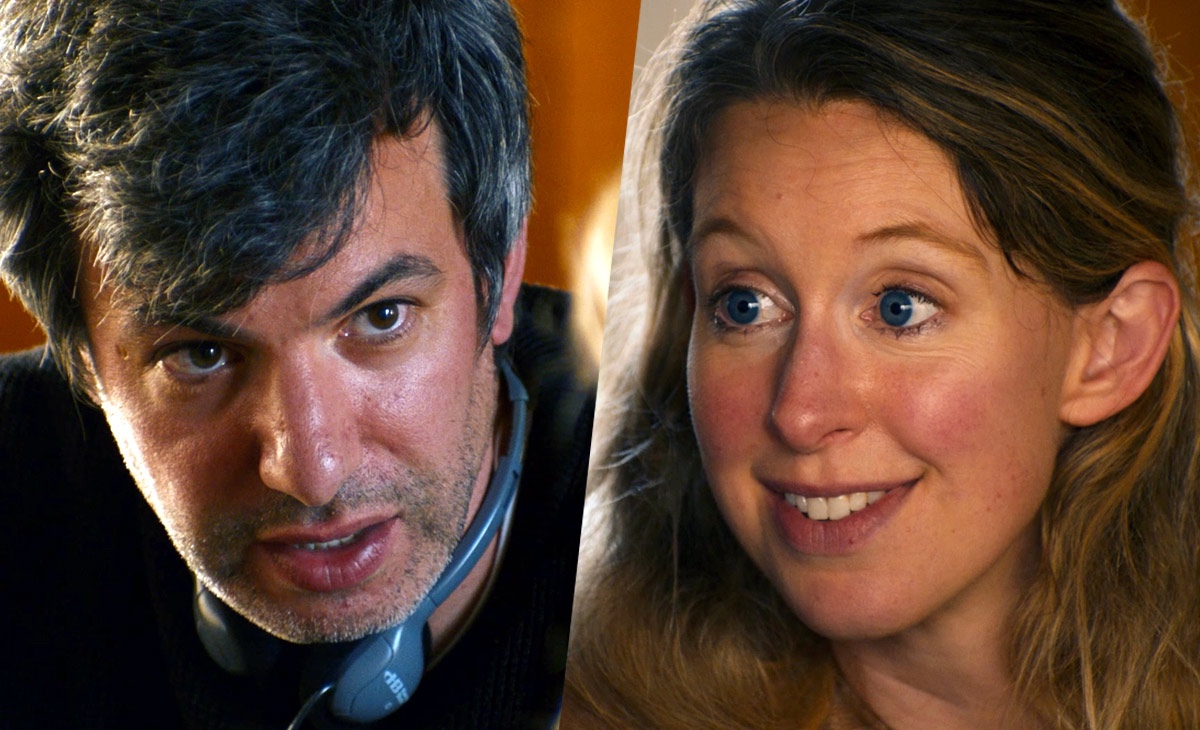
Quincy Tyler Bernadine, Emmy Rossum

“FURIOUS” (Hulu)

Female rage is front and center in the aptly named “Furious,” a female revenge tale that is both cathartic and deeply disturbing.

This eight-part Hulu offering owes a lot to 1987’s “Black Widow,” the Debra Winger/Theresa Russell thriller about a female serial killer who marries wealthy men and then sneakily murders them for their fortunes.

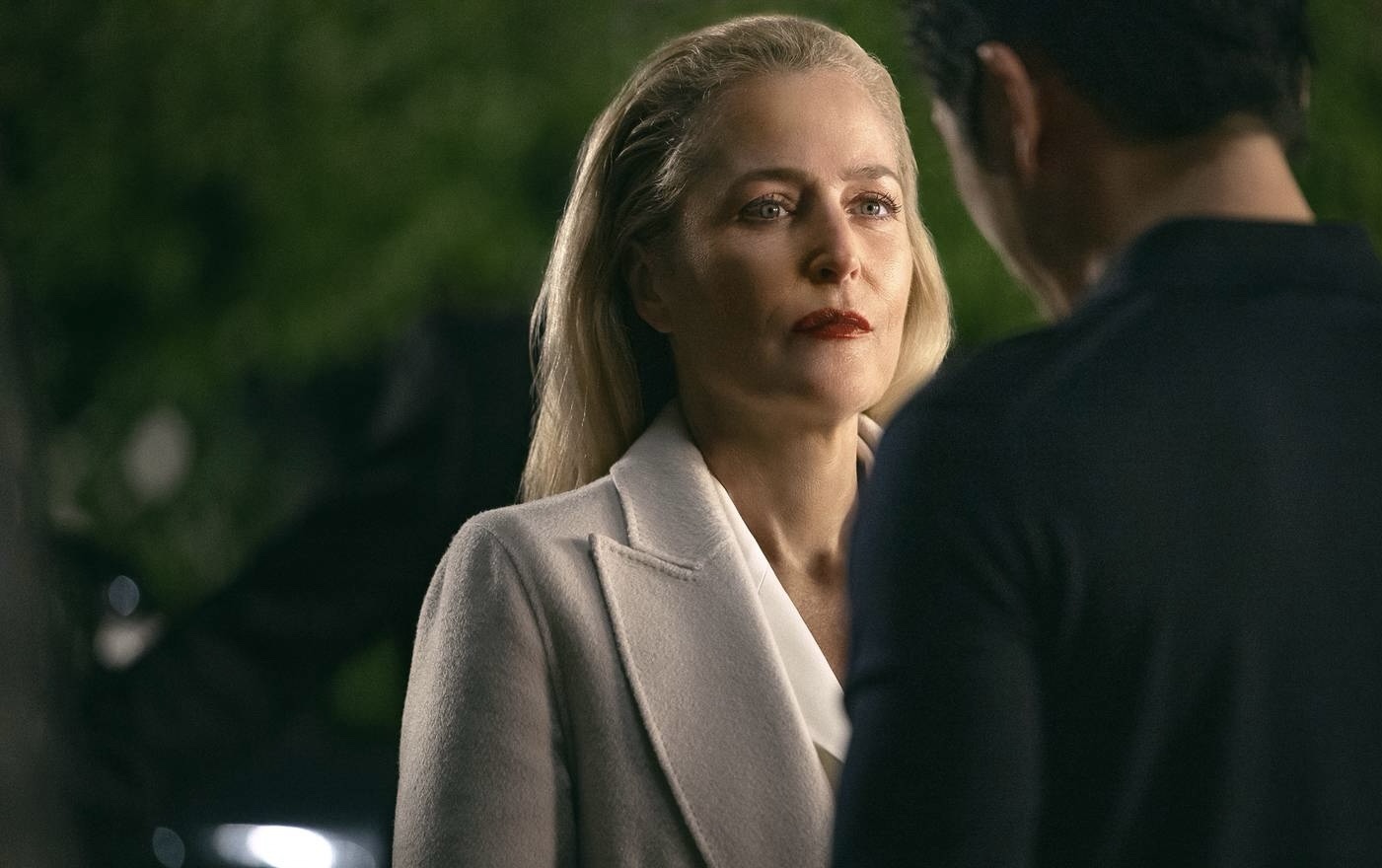
This time around the serial killer is the streetwise Catherine (Lola Petticrew), who as a teen was sex trafficked by rich and powerful men (think Epstein) and now employs an arsenal of characters and disguises to seduce and murder the guys who done her wrong.

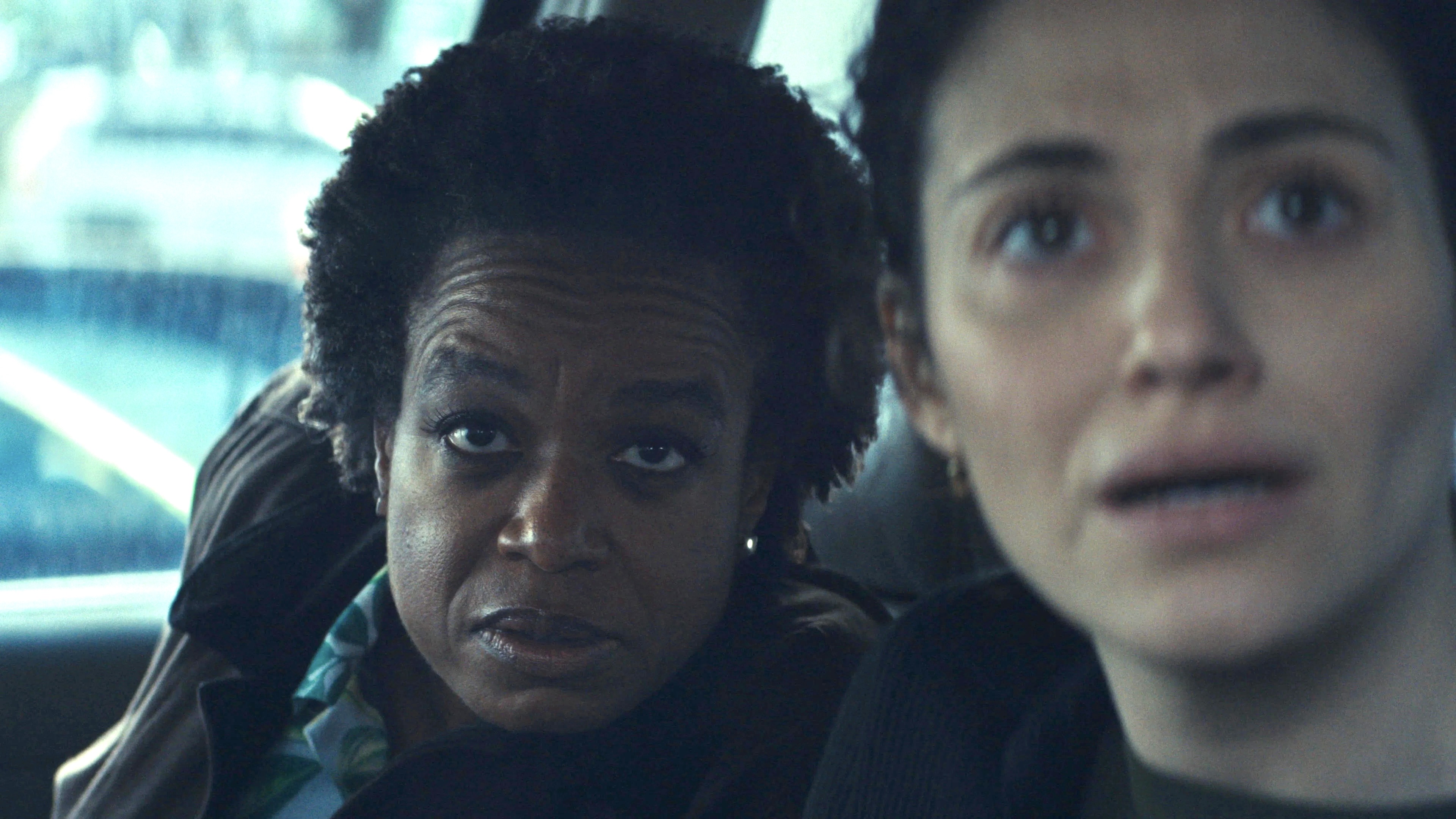
On  her tail is Alice Black (Emmy Rossum), a one-time NYPD detective now starting her career with the FBI. Alice serves on a  joint task force with Manhattan cop Danny (Scoot McNairy) and FBI agent Nora (Quincy Tyler Bernadine), who has spent her career down in the basement investigating sex crimes.

The two women are damaged goods.  Alice was frequently physically abused by her former policeman boyfriend (Jake Lacy), while Nora is a raging alcoholic, thanks in part to a job that has her watching and cataloging kiddie porn day after day.

Both women carry a tankful of contempt for the men they work with…well. all men, actually.  Danny is the sole exception, being a soulful guy who has long adored Alice from afar.

The plot of “Furious” centers on the authorities’ efforts to identify and capture the killer. But what really gives the show depth are the deep, soul-shredding performances of the three female leads.

Catherine has been driven borderline crazy by what she endured as a young woman. But neither Alice or Nora is your usual cop-show heroine.  Both are deeply troubled and do things that repel us even as we recognize how they got to this state.

Bernadine’s Nora is particularly effective, displaying a biting sense of humor and a “screw you” attitude toward her patronizing bosses. Despite the overall grimness of the show you’ll find yourself laughing at her savage put-downs.

Lola Petticrew

Even the merciless Catherine is fully rounded.  She survives as a caregiver for a wheelchair-bound young man (comic Steve Way, whose muscular dystrophy forces him to emote through an oxygen mask). On some level theirs is a love story.

Even the smaller roles are exquisitely cast and performed: Campbell Scott and Rob Delaney as two of Catherine’s targets; PeterMcRobbie as a dying industrialist addicted to watching old sex videos of himself and his victims, and Hope Davis as his daughter and partner in crime.

The show’s six writers and four directors display a deft touch in juggling moods, and as a study in the lingering fallout of abuse “Furious” s in a class of its own.

“DANCE LIFE” (Prime Video)

Back in the bad old days dancers ran the risk of being called sissies. If you ever thought that depiction accurate, the Aussie documentary series “Dance Life” will pretty much twist your head around.

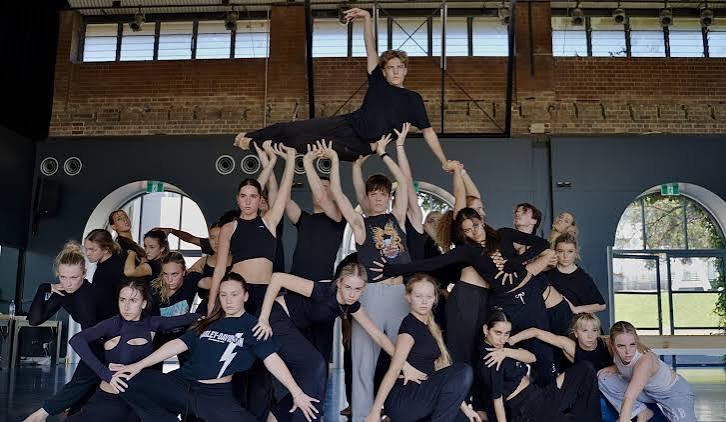
Luke Cornish’s five-part series follows first-year dance students at Australia’s Brent Academy, an arts school not unlike that depicted in the “Fame” movie and TV series.

What sticks with you from the show — even more than the spectacularly performed and filmed dance segments — is the students’ devotion to their art through pain, injury and emotional turmoil.

The primary teacher is choreographer and dancer Cassie Bartho, a familiar presence on Down Under dance stages, who combines tough love and a surprising vulnerability in guiding her students through a killer curriculum.

The kids’ stories are varied and frequently moving. One girl dances through a congenital spinal injury. Broken toes and bloody feet are everyday occurrences.

Every viewer will develop his or her own favorites. I found myself being particularly drawn to Emily Smith, whose physique is just about the opposite of your typical reed-thin ballerina. While everyone else is in shorts and halter tops, Emily hides her figure in bulky sweatshirts…clearly she has a bad case of body image. What’s surprising then, are her eruptions of energy in hiphop and breaking routines — she’s like a tsunami of determined movement.

And then there’s Archer Rose, a trans dancer whose willowy figure and long blonde hair make him an icon of sexual ambiguity.

The series follows the kids through training, rehearsals and big public performances. By the time it’s all over you don’t just want to watch them…you want to be them.

| Robert W. Butler

Read Full Post »

Angelina Jolie, Lopuie Garrel

“COUTURE” My rating: C+(In theaters)

106 minutes | MPAA rating: R

Four women come to grips with their futures (and mortality) in Alice Winocour’s “Couture,” set in the Paris during Fashion Week.

The film is ambitious, wearing its feminism on its sleeve, but unfocused, with some of the characters developing genuinely involving situations and others merely treading water.

American filmmaker Maxine Walker (Anglina Jolie), who usually specializes in horror, has signed on to direct a short film to open the runway show of a major label. It’s a high-tension job in the best of circumstances, but Maxine has just discovered a health crisis that threatens to upend her life.  

Ada (Anyier Anei) îs a naive 18-year-old refugee from the war in Sudan.  Recruited by video, she soon finds herself both delighted and intimidated by the big city, especially the catty attitudes of the other models with whom she shares an apartment.  She has a short learning curve but has to nail it…otherwise it’s back to a questionable fate in Africa.

Angele (Ella Rumpf) is a makeup artist kept busy zipping from one show top the next.  Her real love, though, is writing. Early on an agent shoots down her manuscript and she now must come up with a new idea.

Finally there’s Garance Marillier as Christine, a young seamstress facing a deadline to finish work on the dress that will open her fashion house’s big show.

Of these four plot threads only Maxine’s is fully worked out.  Faced with the need for an immediate surgery, she goes through all the stages of grief in just a couple of days. . The fact that Jolie is herself a breast cancer survivor gives extra oomph to her heart-wringing performance.

There are a couple of male roles…Vincent Lindon is quietly reassuring as Maxine’s new MD, and Louis Garrel is both sexy and sincere as a co-worker with who she has one last fling before surgery.

The highlight of the film — aside from Jolie’s perf — is it’s depiction of a runway show staged in a forest an nearly ruined by a thunderstorm.

Sam Rockwell (center)

“GOOD LUCK, HAVE FUN, DON’T DIE” My rating: B (Hulu)

124 minutes | MPAA rating: R

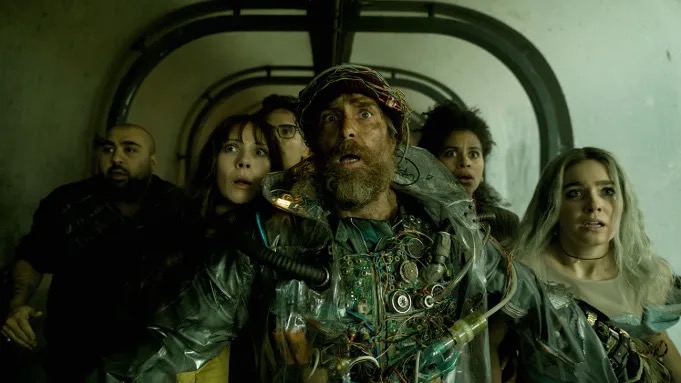
Sam Rockwell gets the best opening scene of any movie in ages with “Good Luck, Have Fun, Don’t Die,” a mind-bender that’s part apocalyptic sci-fi, part fiendish social satire, and part action epic.

It’s late at night in a Los Angeles diner.  There’s a flash of light outside the window and in walks the Man from the Future” (Rockwell), a bearded ragamuffin wrapped in a transparent raincoat and covered with wires, blinking lights and, it turns out, several bombs.

The Man greets the diners, calling some of them by name, even predicting what they’ll do or say next. He is, he says, from the future.  This is the 117th time he’s appeared at the diner to recruit a half-dozen eaters to go on a mission to destroy the AI that is poised to ruin the world.

So far the Man and those he’s chosen to accompany him (they’re different on every iteration of the mission) have failed miserably…killed and apparently resurrected as time resets.  But the sardonic, wise-cracking Man has to keep at it, learning from each mistake and getting ever closer to destroying the source of the electronic hell that is his future. 

On this night he’ll find just the right combination of subjects to pull it all off. And through a series of clever flashbacks we’ll learn how these folk became qualified for the gig.

Mark and Janet (Michael Pena, Zazie Beetz) are high school teachers terrified that their cellphone-addicted students are just a text away from becoming a sort of zombie mob.

Ingrid (Haley Lu Richardson) is a bad-tempered goth girl who works as a fairy princess for little girls’ birthday parties. She’s allergic to most kinds of electronic gizmos…being too near a cell phone gives her a nosebleed.

Susan (Juno Temple)  lost her teenage son to  a school shooter.  Recently she paid to have him cloned…though this new version of him is more robotic than human.

Together they will battle mysterious assassins, armies of hypnotized teenagers — even a giant creature that is part horse and part cat.  But will they be able to stop the inexorable creep of the electronic “other”?

“Good Luck…” — written by Matthew Robinson and directed by Gore Verbinski — is by turns funny and a bit frightening. Granted, it cannot keep up the high level of comedy/wonder that Rockwell establishes in the opening moments, but even in the slow moments it’s fun to watch.

And when it’s all over it leaves us satisfied, yet cautious.  We’re led to believe that our heroes have stymied AI…but perhaps even their presumed victory has been staged as part of vast virtual reality experiment. Who knows?

| Robert W. Butler

Read Full Post »

Josh O’Connor, PaulMescal

“THE HISTORY OF SOUND” My rating:  B+ (Hulu)

128 minutes | MPAA rating: R

A terrific 2025 release that slipped past my radar, “The History of Sound” offers a love story that resonates on a whole bunch of levels.

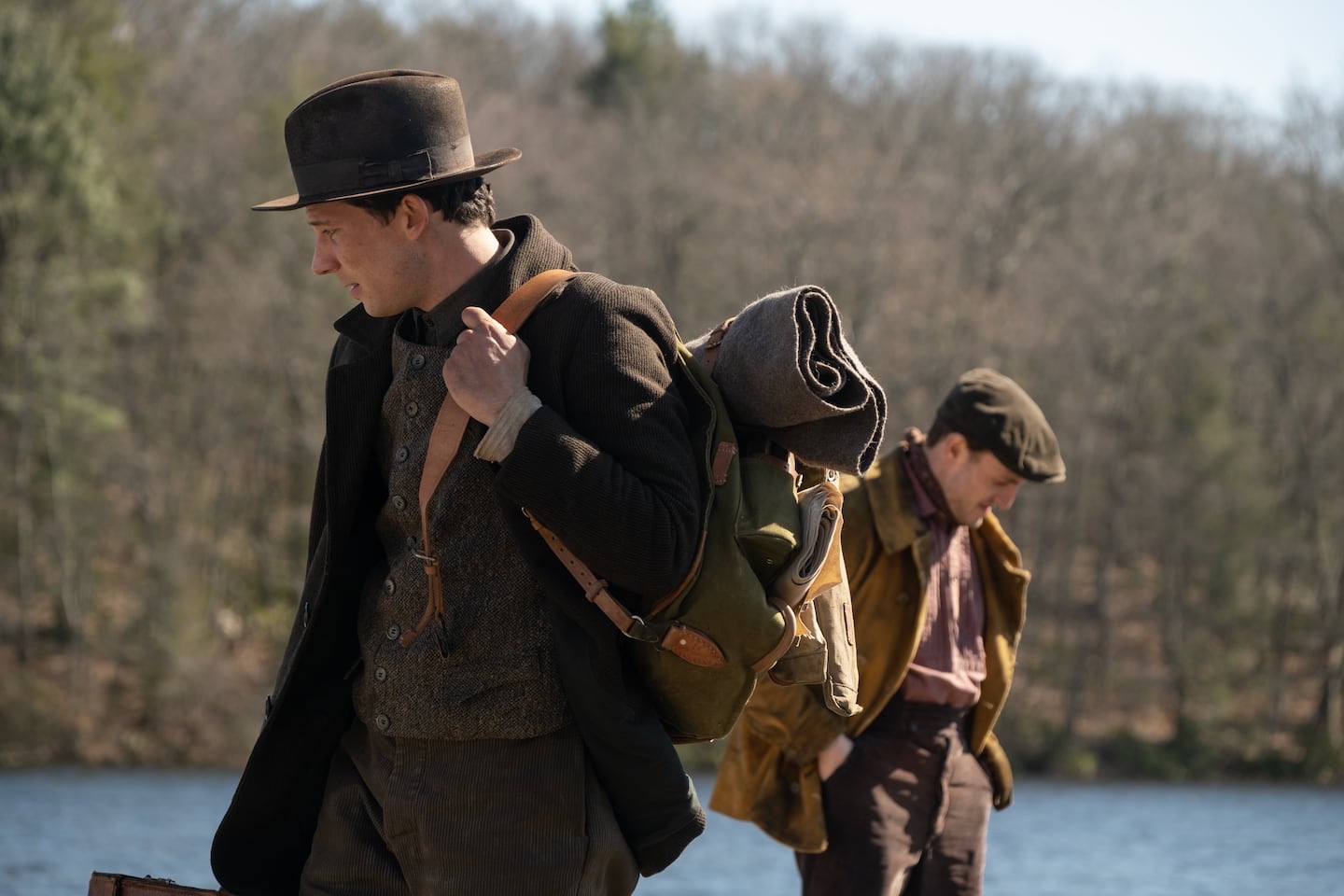
Adapted by Ben Shattuck from his short story and directed by Oliver Herrmanus (”Beauty,” “Living”), the film stars Paul Mescal and Josh O’Connor  as young men who spend the fall of 1920 traipsing around rural Maine with a primitive machine to record on wax cylinders the songs of the common folk.

That the young men are also engaged in a love affair is enough to earn “The History of Sound” the label of “gay movie,” but it is so much more than that.

The yarn unfolds from the perspective of Mescal’s Lionel, a Kentucky farm boy whose singing voice earns him a slot at the prestigious Boston Conservatory.  There he meets aspiring composer David (O’Connor), who is as urbane and charming as Lionel is shy and unsophisticated.

The two begin a relationship interrupted by David’s enlistment in the Army to fight in France. Upon his return David gets a university gig and invites his friend to accompany him on a three-month wander through fields and woods, recording the music made by the locals.

“The History of Sound” echoes a couple of movies: “Soundcatcher” and “Brokeback Mountain.”  If you’re going claim antecedents, those are winners.  Toss in atmospheric and narrative touches reminiscent of “Train Dreams” and you’ve got a low-keyed heartbreaker.

The screenplay follows Lionel’s life after David. He studies and teaches abroad. He has relationships with both men and women. But always gnawing beneath his seemingly imperturbable surface is a sense of loss.  For David has apparently dropped off the map.

Late in the film Chris Cooper appears as the elderly Lionel, a successful musician and academician who has grown gray resigned to a solitary life.  No one has ever touched him the way David did. No one ever will.

“The History of Sound” is a quietly beautiful experience, filled with longing, loss and a reverence for the ways in which music works upon the soul.  Technical aspects are first rate, from Alexander Dynan’s rich cinematography (it’s never show-off, but always feels right) and the musical soundtrack crammed with sorrowful folk ballads and plaintive fiddle playing.

The acting…well, as if I didn’t already love Paul Mescal to pieces, he here so fully inhabits Lionel that we can almost hear his thoughts beneath that respectful reticence. He’s perfectly matched by O’Connor as a man whose inner life is so carefully guarded that it becomes an unbearable weight.

Martin Short, Nancy Dolman

“MARTY, LIFE IS SHORT” My rating: B (Netflix)

99 minutes | No MPAA rating

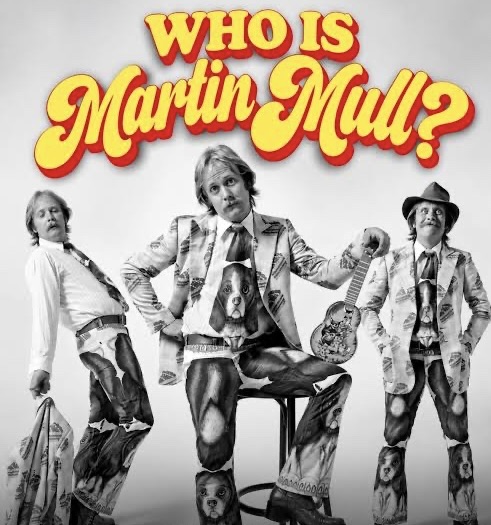
Martin Short is one of the funniest men on the planet.

Which doesn’t mean he hasn’t endured some pretty hard knocks.

Lawrence Kasdan’s “Marty, Life is Short” is a cinematic tribute from one of Short’s good friends. Actually a lot of Short’s good friends.

Few people, in fact, are so beloved by so many heavy hitters.  Among the talking heads who testify to Short’s comedy genius and personal warmth are Steve Martin, John Mulaney, Eugene Levy, Andrea Martin, the late Catherine O’Hara, Tom Hanks, Steven Spielberg.

The film of course features a ton of clips from Short’s career (I could endlessly watch him as geeky Ed Grimley or the pompously uninformed Jiminy Glick), but there are also tons of home movies, many shot during Short’s legendary party weekends.

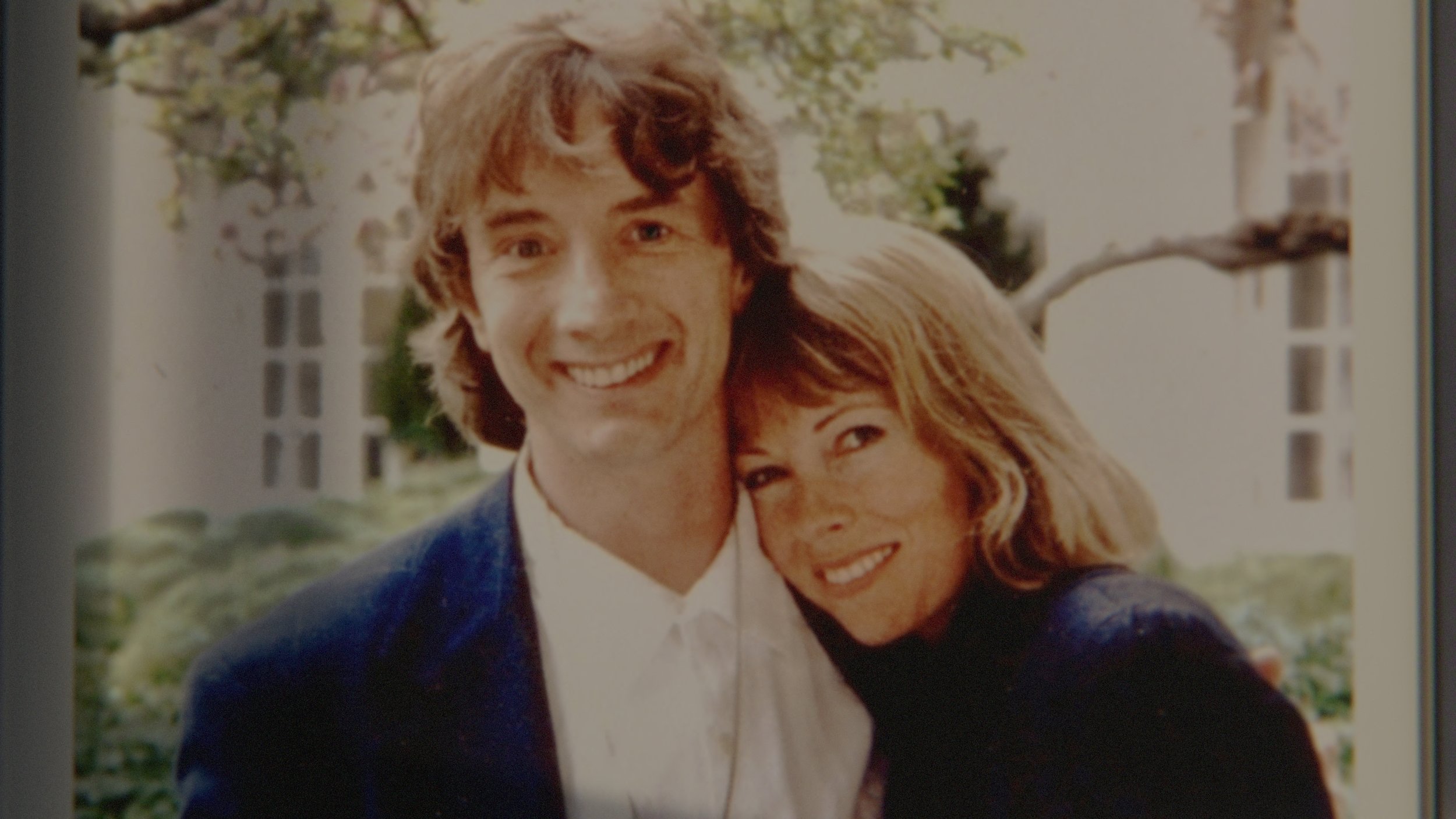
And the doc also serves as a kind of love story, chronicling Short’s marriage to Nancy Dolman, a fellow actor and comic who appears to have been his ideal spouse.  If Short had given up comedy after her death in 2010 no one would have blamed him.  Instead he once again demonstrated the life-affirming resilience that has gotten him through career bumps and personal tragedy.

| Robert W. Butler

Read Full Post »

Sound Mandala is the world’s coolest stereo system. And a pretty nifty diversion for Kansas Citians this summer.

The brainchild of (among others) soon-to-retire UMKC prof and Kansas City Rep sound designer Tom Mardikes, Sound Mandala has taken over the Unicorn Theatre at 3828 Main for two months of mind-blowing aural experiences.

The theater’s auditorium has been converted to an acoustically perfect (or darn close to perfect) listening room. Guests sit in one of about 40 chairs surrounded by 100 speakers (we’re talking front, sides, rear, overhead). The lights dim and the magic begins.

I recently caught one of three 45-minute programs that will be playing in rotation and was blown away by the sounds that came at me from all directions. (Unlike your home stereo you don’t have to sit in the middle to get an ultimate experience…it’s the same everywhere in the room.)

It began with an approaching thunderstorm, from distant rumblings to crashes of lightning that seemed to land in your lap. I could practically smell the approach of rain. If only Ferde Grofe had Sound Mandala to play with while writing his Grand Canyon Suite.

There were spoken word passages (with appropriate sound effects). The local (and now defunct) band The Plant delivered a knockout slice of psychedelia with “In the Garden.” One of the tracks had a strong Captain Beefheart/Wild Man Fischer anarchistic vibe (extra points if you know what I’m talking about).

The presentation wrapped up with a stunning cover of “Tomorrow Never Knows,” already the trippiest tune in the Beatles catalog and here blasted into the stratosphere by the soul-liberating spacial effects, especially the electronically-generated noises (sounds to me almost like a flock of birds) that seem to fly back and forth across the auditorium.

This is pretty much a home grown affair. Instead of relying solely on commercially available songs Mardikes and Co. have turned to many artists recorded right here in Kansas City over a number of years. Among the featured performers are beatboxer Luke “Skippy” Harbor, Austen Schober, rapper Krizz Kalico, actress Vanessa Severn and Dwight Frizzell.

But wait. That’s not all.

One of the programs features cuts by five bands/performers represented by Challenger Artists. Participating are Mini Trees, Toledo, Valley Boy, Capital Soiree and the evocatively named Post Sex Nachos.

And as if all that was’t nifty enough, Sound Mandala also will be screening the silent horror classic “The Cabinet of Dr. Caligari.” It features a specially composed and recorded soundtrack by Thomas Newby and chamber pop pioneers The Green Zoo that takes full advantage of the technology’s possibilities.

For information on showtimes and ticket prices, visit http://www.soundmandela.org or the Unicorn boxoffice at 816-531-7529 (or visit unicorntheatre.org

| Robert W. Butler

Read Full Post »

Amanda Seyfried as Shaker saint Ann Lee

“THE TESTAMENT OF ANN LEE” My rating: B (Hulu)

136 minutes | MPAA rating: R

Mainstream Hollywood rarely knows what to do with religion…unless it’s some sword-and-sandal silliness.

But Mona Fastvold’s “The Testament of Ann Lee” provides a sometimes brilliant evocation of ecstatic states while never commenting editorially on the truth (or falsehood) of its subject’s beliefs.

In the process it gives Amanda Seyfried the role for which she may some day be best known.

Ann Lee (Seyfried) was a British woman whose search for religious certainty led her to the Shaker movement, an offshoot of the Quakers in which dance and movement were essential to the spiritual quest. She left England for America in the years just before the Revolution, bringing with her a small band of followers who regarded her as an incarnation of Jesus. Over  years they established several communal settlements in New England, farming and manufacturing utilitarian but beautiful items of furniture that are still popular.

At one point the Shakers had nearly 5,000 members…a remarkable number given that total avoidance of sex was central to Lee’s ministry.  The church fed its ranks by adopting orphaned children who, upon reaching maturity, were allowed to decide whether to stay or seek a life in the larger world.

As scripted by director Fastvold and her husband Brady Corbet (their last outing was the spectacular “The Brutalist”), this is in many ways a straightforward historic biography.  

We follow Ann’s early life, her marriage to a blacksmith (Christopher Abbott) and the tragic deaths of their four children (a huge factor in creating her views on abstinence), her gradual rise to become a spiritual leader, her preaching partnership with her brother William (Lewis Pullman) and her determination to find a respite from persecution in the New World (only to discover that thuggish assholes are to be found just about everywhere).

It’s all been mounted with an almost documentary sense of time and place.

But here’s the twist:  in the many scenes of Shaker worship the film can only be described as a musical.

The congregants dance and sing in a reverential frenzy.  Like the whirling dervishes of Islam’s Sufi sect, the Shakers in this film seek transcendence through sound and movement, and just by observing we  can get a contact high from their shared exctasy. This is an astounding thing to say of an American feature film…simply watching it is a semi-spiritual experience.

Director Fastvold has said in interviews that while the songs and dance movements are based on real Shaker worship practices, they’ve been sweetened for this cinematic retelling. So while they may not be 100 percent authentic, they do achieve a heightened awareness in the viewer…heck, this looks like a worship service that might actually be fun.

At the core of it all is Seyfried’s performance, which makes Ann fully human even as she says and does things that many of us find, well, hugely eccentric. Apparently Ann Lee had no room for doubt, and there’s none in Seyfried’s work here. She exudes sincerity, reverence and a calm benevolence.  It’s remarkable.

Keeping “The Testament of Ann Lee” from being a near masterpiece are pacing problems.  The last third of the film drags a bit…to the point that viewers not naturally inclined to spiritual rumination may lose interest.

For the rest of us though, it’s a thought- and emotion-provoking experience.

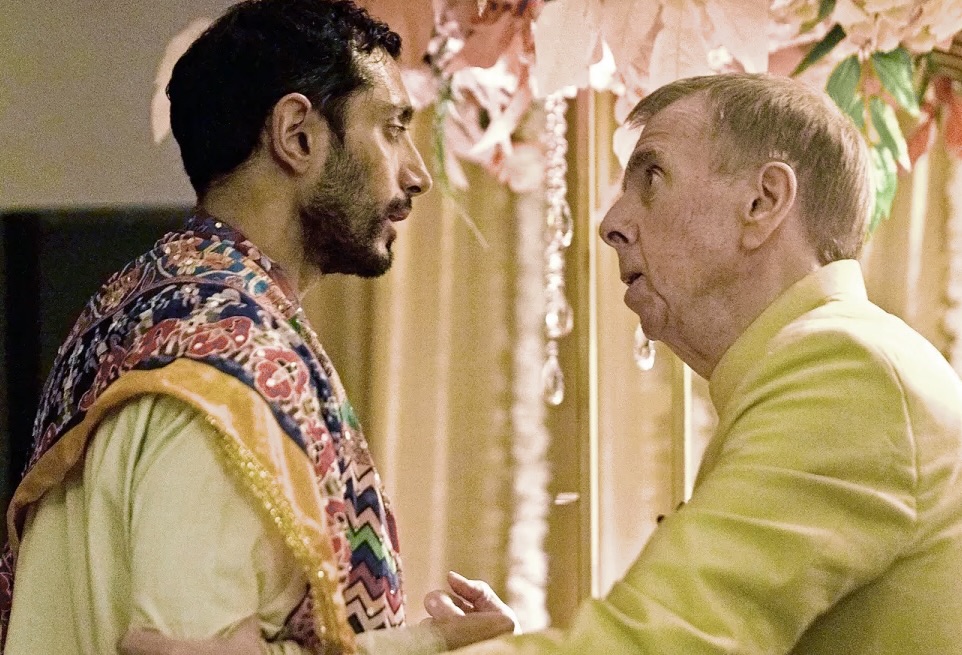
Liz Ahmed, Timothy Spall

“HAMLET” My rating: B (In theaters)

114 minutes | MPAA rating: R

“Hamlet” can survive just about any amount of directorial tinkering.  What you can’t screw with are Shakespeare’s words and the necessity of having a charismatic leading man as your Hamlet.

The new version of the tragedy from Brit director Aneil Karia works most of the time.  All the familiar monologues are intact (if sometimes arranged in a different chronology) and in Riz Ahmed we have a fiercely emotional Hamlet who may very well be sliding into madness.

This “Hamlet” is a modern dress interpretation (Ehthan Hawke starred  in another modern version in 2000) and set in London’s South Asian community.  Elsinore in this retelling is not a royal palace but the name of a massive real estate development company founded by Hamlet’s papa.

As the film begins a crew of male friends and family are preparing the magnate’s body for a traditional Hindi cremation.  Hamlet (Ahmed) has been studying abroad and is appalled to learn that not only is his uncle Claudius (Art Malik) taking over the company, but he intends to wed Hamlet’s mother Gertrude (Sheeba Chaddha).

Michael Lesslie’s adapted screenplay puts Hamlet’s precarious mental state front and center…even to the point of reducing the roles of other characters.  This is particularly true in the case of Polonius (Timothy Spall), who in this version is not an amusing pedant but rather a grimly ruthless enforcer for the company. His daughter, the fragile Ophelia (Morfydd Clark, most recently seen as Galadriel in the “Rings of Power” miniseries) and son Laertes (Joe Alwyn) haven’t quite been boiled down to walk-on perfs, but it’s a near thing.

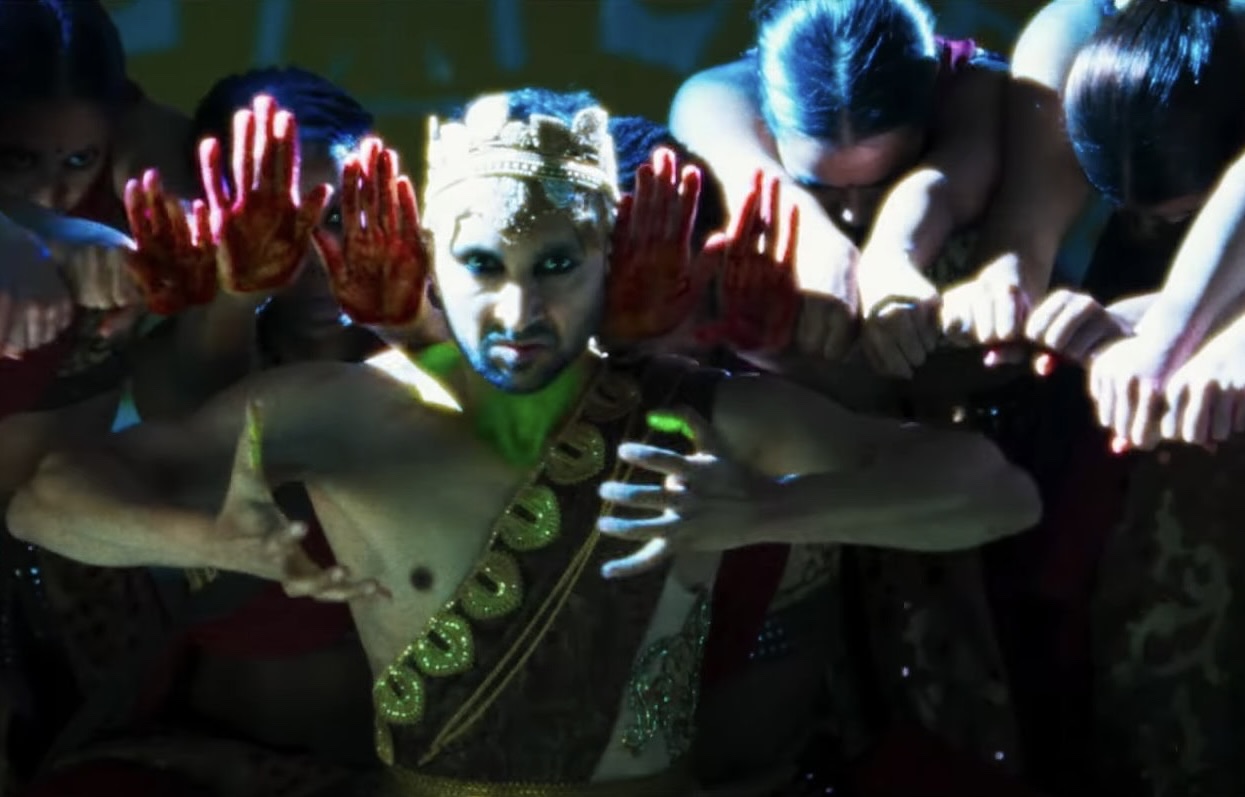
Hindu dancers perform the play-within-the-play

The good news is that director Karia uses the unique setting to good advantage.  For instance, in his encounter with his father’s ghost Hamlet and his father converse in Hindi (with English subtitles). And in a small masterstroke, the famous play-within-a-play ploy which Hamlet uses to expose his uncle’s crimes is now performed by a troupe of Indian dancers whose half-trad, half-Bollywood showcase is one of the film’s highlights.

Ultimately, though, it all boils down to our Hamlet, and Ahmed more than holds his own.  This actor oozes intensity and physical presence (remember his Oscar-nominated turn turn as a deaf drummer in “The Sound of Metal”?) and here he channels it into one of drama’s seminal roles.

| Robert W. Butler

Read Full Post »

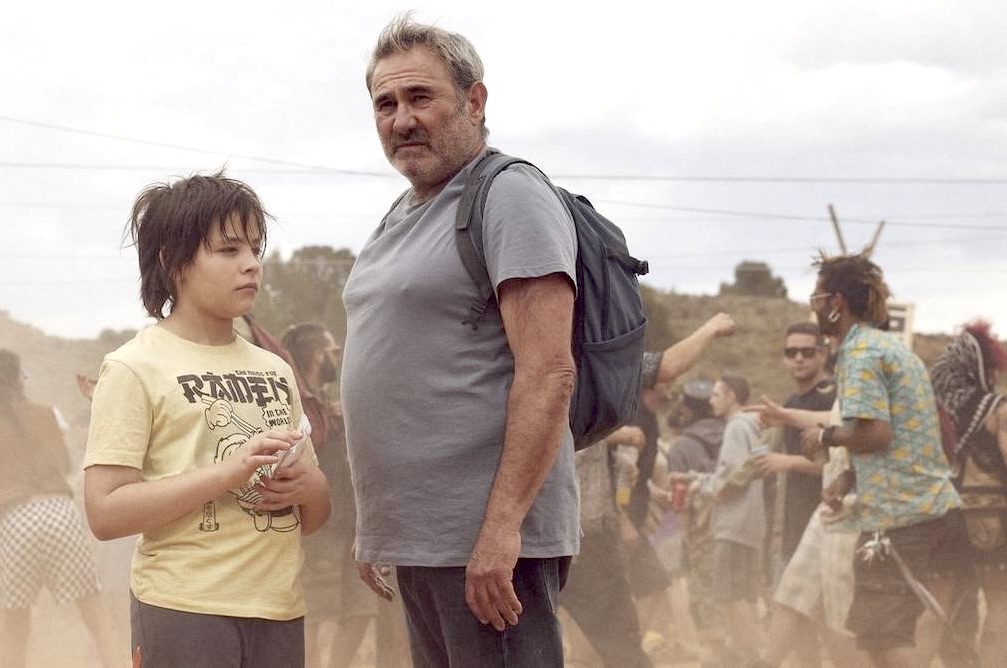
Buno Nunez, Sergi Lopez

“SIRAT” MY RATING: B+(AMC Town Center)

114 minutes | MPAA rating: R

A survival drama that verges on the surreal, Oliver Laxe’s “Sirat” unfolds with a matter-of-factness that lulls us  before pelting us with  one devastating event after another.

It starts out a bit like a documentary.  In the North African desert a crew of scuzzy-looking nomads unload and set up a massive wall of speakers.  Apparently they’re part of a network producing illegal raves.

Before long dozens of cars and busses have pulled up and unloaded hundreds of doped wraiths dancing to the seductive, incessant electronic music.

Sticking out like a sore thumb among these gyrating hipsters is Luis (Sergi Lopez), a pudgy middle-aged Spaniard accompanied by his young son Esteban (Bruno Nunez). Louis has been hitting the rave circuit in a weathered micro-bus in search of his runaway daughter, whom he hopes will be  found at one of these outlawed gatherings.

When the event is raided by military units of the local government (apparently some sort of civil war recently has been waged in the area), Luis and Esteban make a run for it with a group of ravers living out of a converted bus.  The goal is to elude the authorities and, hopefully, make the trek through the desert to the next designated party spot.

What unfolds in Laxe and Santiago Fillol’s screenplay is a slow-burning death trip.  There are moments of grace as Luis and son are more-or-less adopted by these goofy but weirdly compelling wanderers. (They’re played by Stefania Gadda, Joshua Liam Henderson, Richard Bellamy, Toni Javier and Jade Oukid…and each of them has some physical or personality tic that makes them memorable).

But the desert is not a friendly place.  Heat, wind, rough terrain and lack of water make for misery.  Not to mention the land mines left over from the recent conflict.

The film’s title may give a hint as to where Laxe is going with this.  In Muslim eschatology “sirat” is a bridge spanning hell while connecting this world to paradise. The righteous may pass unscathed, but sinners fall to a flaming punishment.

There’s no point in giving away the yarn’s devastating plot developments. Let’s just say that Lopez (he was the chief villain in Guillermo Del Toro’s “Pan’s Labywrinth”) is haunting as a Job-like Everyman being put through one horror after another.

Alan Ritchson

“WAR MACHINE”  My rating: C (Netflix)

106 minutes | MPAA rating: R

Movies don’t get much sillier than “War Machine,” a fascist wet-dream mated to a “War of the Worlds” actioner.

Alan Ritchson, the bulked-up leading man of Netflix’s “Jack Reacher” series, stars as 81, a candidate for the U.S. Army Rangers.

He’s called 81 because in this grueling training participants are expected to use a number rather than their actual names. 

81 is a silent, brooding giant determined to become a Ranger to honor his brother who died in Afghanistan.  He speaks only when spoken to, and often not even then.  But he runs harder, moves faster and lifts more than any of the other candidates.

The first half hour of Patrick Hughes’ film depicts the training, overseen by a couple of brusque NCO’s (Dennis Quaid, Esai Morales).  The episode so reeks of percolating testosterone that I found myself wondering if this was supposed to be a celebration of American macho or a satire of it. (Kinda like “Starship Troopers” in that regard.)

Finally our man and a few finalist candidates go out on their “Death March,” a war-playing exercise in the remote Rockies of Colorado.  Since this is for training only, they haul all the usual equipment save for live ammunition.

Well, wouldn’t you know it…out there in the woods they stumble upon an alien war machine, apparently the vanguard of an invasion of Earth.  This otherworldly bit of merchandise looks suspiciously like a Transformer toy.

Anyway, our guy has to stay alive, get his injured buddies back to safety and save the planet…without ammo for his gun.

Frankly you have to wonder about an alien race that can navigate across the galaxy but crash lands in one of the most remote and unpopulated places in the Lower 48.  And despite all the technology, the war machine is a crappy shot.  Must  have been trained by storm troopers from “Star Wars.”

| Robert W. Butler

Read Full Post »

Naomi Ackie, Eva Victor

“SORRY, BABY”  My rating: A- (HBO Max)

103 minutes | MPAA rating: R

Every once in a while you encounter a film so achingly on target that you instinctively realize that it had to be torn from someone’s personal experience.

So it is with “Sorry, Baby,” Eva Victor’s hauntingly beautiful film about the aftermath of a sexual assault.

The words “sexual assault” will be enough to scare off many viewers.  But while Victor’s semi-autobiographical film (she wrote, directed and stars in it) addresses trauma, it’s more about the healing aftermath.

It starts unremarkably enough with our protagonist, Agnes (Victor), being visited by her old college roommate, Lydia (Naomi Ackie).  They’re several years out of school, but while Lydia has moved to the big city and settled down (she’s gay,  not that it’s a big deal) Agnes has hung around their New England college town.  In fact, she’s now a bigwig in the English Department.

These opening scenes radiate the easy familiarity of old friends reconnecting. But soon the talk drifts back to their senior year and an unpleasant incident. In a flashback we view Agnes’ interaction with Decker (Louis Cancelmi), one of her professors.  He seems like a standup guy…until he isn’t.

Victor wisely refrains from showing the assault.  Instead we get a long shot of the teacher’s home, where the two are meeting to discuss her thesis. Agnes goes inside, and the unmoving camera records the home’s facade as the sun dims, night falls, and lights go on inside. Apparently several hours have passed before Agnes stumbles out, walks to her car and drives away in a fog of humiliation and disbelief.

In a balancing act for the ages, Victor seasons this traumatic incident with satiric flashes.  When she meets with school officials to discuss the incident, she’s told that it’s not their problem.  Decker turned in his resignation just before the assault.  This news is delivered by a couple of women administrators whose clumsy efforts at sympathy are undermined by their panicked sense of institutional preservation.

“Sorry, Baby” rises and falls with Victor’s performance.  Her Agnes is tall, gawky and unremarkable (though, weirdly enough, by film’s end I saw her as beautiful).  She’s intellectually solid but emotionally tentative.  She often masks her feelings with oddball comments and an ironic aura.

Not that she doesn’t get some solid help from the other players.  Ackie is the best friend everyone wishes they had.  Lucas Hedges shines as the vaguely nerdy neighbor with whom the post-assault Agnes has a sweetly goofy love affair.  And veteran actor John Carroll Lynch nearly steals the film as a  sandwich shop operator who takes a grieving Agnes (whom he has never met before) under his caring wing.

The world can be cruel.  But simple decency  goes a long way.

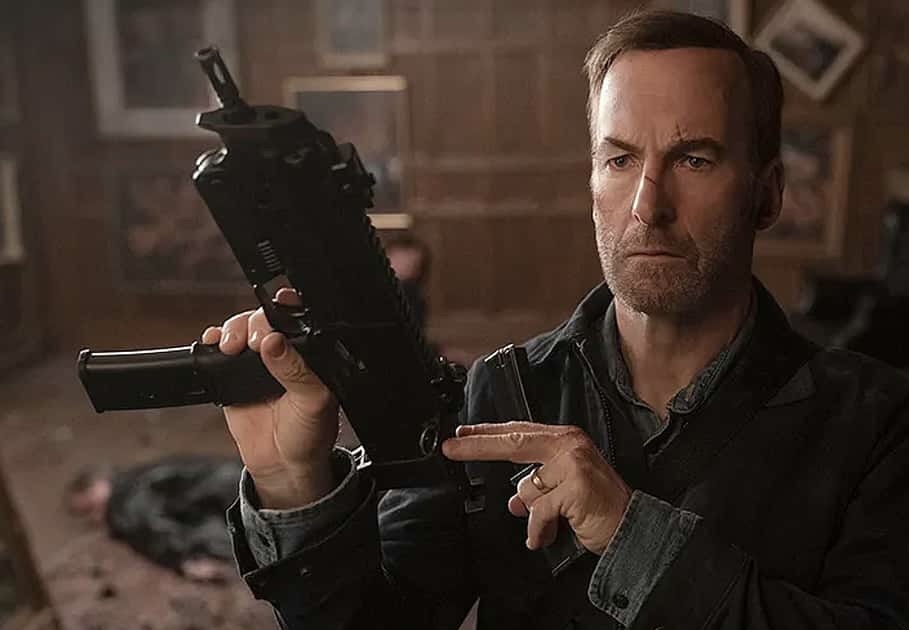
Bob Odenkirk

“NOBODY 2” My rating: C+(Peacock)

89 minutes | MPAA rating: R

“Nobody” (2021) was an unexpected sleeper, a hyperviolent, darkly funny yarn about a nondescript family man (Bob Odenkirk) whose secret job is that of assassin.

Now we’ve got a second installment and it’s pretty much the same thing all over again…minus the sense of discovery that made the first film so enjoyable.

Imagine “National Lampoon’s Vacation” mated with “Pulp Fiction.”  Odenkirk’s Hutch Mansell takes the family (Connie Nielsen is the Missus) to the cheesy amusement park he enjoyed as a boy.  

Except he finds the place now is a front for a drug operation run by a sociopathic grand dame (Sharon Stone) and administered by a corrupt local sheriff (John Ortiz).

Much mayhem ensues.  

Except this time the brew of comedy and over-the-top violence falls to the law of diminishing returns.  (Although I did enjoy the addition of Christopher Lloyd as Hutch’s father, himself a retired black ops type.)

Colin Farrell

“BALLAD OF A SMALL PLAYER” My rating: B (Netflix)

101 minutes | MPAA rating 

“The Banshees of Inisherin.” “Sugar.” “The Penguin.”

Yeah, Colin Farrell has been on a roll. And it continues  (sort of) with “Ballad of a Small Player,” which works a bit too hard to breathe new life into the gambler-at-the-end-of-his-luck yarn.

Farrell is Lord Doyle, a polished gent who floats through the casinos of neon-lit Macau as if he owns the joints. He sophisticated, generous, impeccably dressed.

It’s all a sham.  In truth he’s a common hustler who’s developed an impressive fictional character. Lord Doyle (he’s not a lord and Doyle is not his actual name) is so good at role playing that he has credit at all the tables.

That is, until his losses get so big that they can no longer be ignored. 

Scripted by Rowan Joffe and Lawrence Osborne and directed by Edward Berger (“All Quiet on the Western Front,” “Conclave”), “Ballad…” attempts to make up for a lack of originality (really, it’s just another movie about a desperate gambling addict searching for a big score) with a heightened visual sense and an almost operatic sense of melodrama.

But it’s worth sticking with to watch Farrell navigate Lord Doyle’s existential dilemma. Toss in Tilda Swinton as a comically stuffy investigator hot on his trail and Fala Chen as the casino hostess who provides  a love interest, and you’ve got a good-looking if not terribly deep outing.

| Robert W. Butler
Read Full Post »

Tom Hiddleston

“THE LIFE OF CHUCK” My rating: A-(Various PPV platforms)

111 minutes | MPAA rating: R

Mike Flanagan’s “The Life of Chuck” provides the 10 most joyful minutes of cinema I’ve seen in all of 2025.

Which is not bad for a movie that starts out depicting the end of the world.

“…Chuck” is a departure for writer/director Flanagan, possibly our best dispenser of supernatural horror (“The Haunting of Hill House,” “Midnight Mass,” both Netflix miniseries); but then it is based on what is probably the most atypical story ever penned by Stephen King.

I mean, we’re talking a weirdly-structured but deeply moving meditation on the meaning of life.

You know somebody’s tinkering with the time/space continuum when the opening titles tell us that the yarn begins with Chapter III.

Here we meet Marty Anderson (Chiwetel Ejiofor), a middle school teacher struggling (as is everybody else) with the rapid collapse of civilization.  First the Internet went down.  Now cell phones aren’t working.  TV stations are going off the air one by one, but not before announcing that most of Northern California has fallen into the Pacific.

There’s still electricity, but nobody knows how long the juice will keep flowing.

With classes cancelled, Marty wanders the streets of his town, now cluttered with abandoned cars.  He has a conversation with a funeral director (Carl Lumbly) about a blitz of billboards, banners and TV/radio commercials that have appeared overnight.  These declare “Charles Krantz. 39 Great Years! Thanks, Chuck!” and feature a photo of Chuck (Tom Hiddleston), a pleasant-looking guy wearing a business suit and spectacles.  Maybe Chuck is retiring from his job, though he doesn’t look nearly old enough.

And anyway, the world is ending.

A big chunk of Chapter III centers on Marty’s efforts to reconnect with his ex, Felicia (Karen Gillan), a nurse now jobless since all the high-tech medical machines in her hospital stopped working. Reunited, Marty and Felicia sit in her back yard watching the stars blink out one by one.

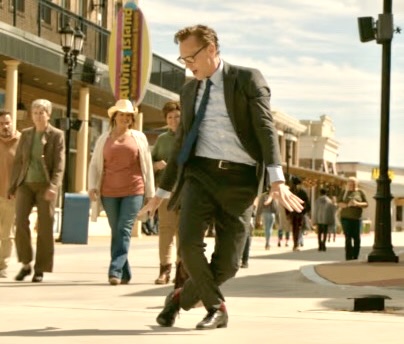
Next up is Chapter II. We find Chuck (Hiddleston) attending a conference for accountants. On a stroll through the city center he is confronted by a busking street drummer (Taylor Gordon). Listening to the percussive symphony she generates, the buttoned-down Chuck begins swaying tot he music.  

Then he starts doing a few dance steps.  Before long he’s grabbed the hand of a passer-by (Annalise Basso) and together they put on an impromptu display of big band terpsichorean razzamatazz that draws a cheering crowd.

It’s a heart-in-your-throat “Singin’ in the Rain” kind of moment. Pure movie magic. (Much love to Mandy Moore’s spectacular choreography).

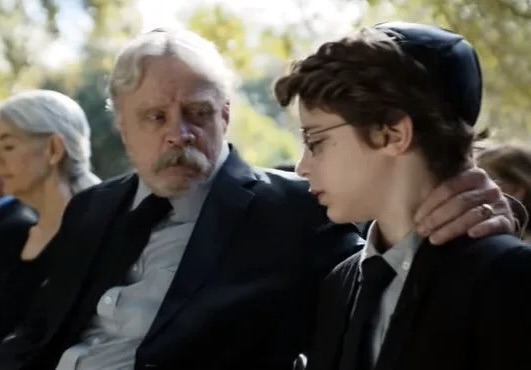
Mark Hamill, Benjamin Pajak

Then it’s on to Chapter I, which depicts Chuck’s childhood (as you’ve gathered by now, “The Life of Chuck” unfolds in reverse order). Orphaned by a car accident, young Chuck (he’s depicted as a middle schooler by the excellent Benjamin Pajak) is being raised by his grandparents (Mark Hamill and Mia Sara).

(Uh, wait a minute.  Mia Sara.  Wasn’t she Ferris Bueller’s squeeze only a couple of years back? Surely she can’t be anybody’s grandma.)

Anyway, this segment examines Chuck’s relationship with his loving grandparents, and his discovery of dance in an after-school club.  The kid’s a whiz…before long he’s the talk of the prom for cutting a rug with a girl two years his senior.  

Once again, the dance sequence is magic.  But what kind of career is dance for a red-blooded American boy? No, Chuck will grow up to study something more practical, like accounting.  But he’ll never forget the thrill of his body moving effortlessly to the music.

“…Chuck” bites off a big chew by attempting (in reverse) to depict one man’s life. What we come to realize is that Chapter III is actually unfolding in the head of a dying man.  Chapters I and II tell us how he got there, while introducing figures (Marty, Felicia, the funeral director) who will appear in his end-of-life reverie.

The film has been so deftly directed and acted (even from the unseen Nick Offerman, whose narration provides just the right taste of detached observation) that more than a few veiwers will find themselves in tears.  

| Robert W. Butler
Read Full Post »

Tom Hiddleston

“THE LIFE OF CHUCK” My rating: A-(Various PPV platforms)

111 minutes | MPAA rating: R

Mike Flanagan’s “The Life of Chuck” provides the 10 most joyful minutes of cinema I’ve seen in all of 2025.

Which is not bad for a movie that starts out depicting the end of the world.

“…Chuck” is a departure for writer/director Flanagan, possibly our best dispenser of supernatural horror (“The Haunting of Hill House,” “Midnight Mass,” both Netflix miniseries); but then it is based on what is probably the most atypical story ever penned by Stephen King.

I mean, we’re talking a weirdly-structured but deeply moving meditation on the meaning of life.

You know somebody’s tinkering with the time/space continuum when the opening titles tell us that the yarn begins with Chapter III.

Here we meet Marty Anderson (Chiwetel Ejiofor), a middle school teacher struggling (as is everybody else) with the rapid collapse of civilization.  First the Internet went down.  Now cell phones aren’t working.  TV stations are going off the air one by one, but not before announcing that most of Northern California has fallen into the Pacific.

There’s still electricity, but nobody knows how long the juice will keep flowing.

With classes cancelled, Marty wanders the streets of his town, now cluttered with abandoned cars.  He has a conversation with a funeral director (Carl Lumbly) about a blitz of billboards, banners and TV/radio commercials that have appeared overnight.  These declare “Charles Krantz. 39 Great Years! Thanks, Chuck!” and feature a photo of Chuck (Tom Hiddleston), a pleasant-looking guy wearing a business suit and spectacles.  Maybe Chuck is retiring from his job, though he doesn’t look nearly old enough.

And anyway, the world is ending.

A big chunk of Chapter III centers on Marty’s efforts to reconnect with his ex, Felicia (Karen Gillan), a nurse now jobless since all the high-tech medical machines in her hospital stopped working. Reunited, Marty and Felicia sit in her back yard watching the stars blink out one by one.

Next up is Chapter II. We find Chuck (Hiddleston) attending a conference for accountants. On a stroll through the city center he is confronted by a busking street drummer (Taylor Gordon). Listening to the percussive symphony she generates, the buttoned-down Chuck begins swaying tot he music.  

Then he starts doing a few dance steps.  Before long he’s grabbed the hand of a passer-by (Annalise Basso) and together they put on an impromptu display of big band terpsichorean razzamatazz that draws a cheering crowd.

It’s a heart-in-your-throat “Singin’ in the Rain” kind of moment. Pure movie magic. (Much love to Mandy Moore’s spectacular choreography).

Mark Hamill, Benjamin Pajak

Then it’s on to Chapter I, which depicts Chuck’s childhood (as you’ve gathered by now, “The Life of Chuck” unfolds in reverse order). Orphaned by a car accident, young Chuck (he’s depicted as a middle schooler by the excellent Benjamin Pajak) is being raised by his grandparents (Mark Hamill and Mia Sara).

(Uh, wait a minute.  Mia Sara.  Wasn’t she Ferris Bueller’s squeeze only a couple of years back? Surely she can’t be anybody’s grandma.)

Anyway, this segment examines Chuck’s relationship with his loving grandparents, and his discovery of dance in an after-school club.  The kid’s a whiz…before long he’s the talk of the prom for cutting a rug with a girl two years his senior.  

Once again, the dance sequence is magic.  But what kind of career is dance for a red-blooded American boy? No, Chuck will grow up to study something more practical, like accounting.  But he’ll never forget the thrill of his body moving effortlessly to the music.

“…Chuck” bites off a big chew by attempting (in reverse) to depict one man’s life. What we come to realize is that Chapter III is actually unfolding in the head of a dying man.  Chapters I and II tell us how he got there, while introducing figures (Marty, Felicia, the funeral director) who will appear in his end-of-life reverie.

The film has been so deftly directed and acted (even from the unseen Nick Offerman, whose narration provides just the right taste of detached observation) that more than a few veiwers will find themselves in tears.  

| Robert W. Butler

Read Full Post »

Anthony Ramos, Rebecca Ferguson

“A HOUSE OF DYNAMITE” My rating: B+ (Netflix)

112 minutes | MPAA rating: R

This Halloween season’s scariest movie has nothing to do with ghosts and ghoulies.  It will nonetheless induce nighmares.

Kathryn Bigelow’s  latest directorial effort takes the same 20-minute time frame  and retells it repeatedly from different perspectives. 

 It begins with American military personnel in Alaska detecting an incoming ICBM and ends with the President faced with an impossible decision that could determine the fate of mankind.

Noah Oppenheimer’s screenplay — created with the assistance of former military types who know their stuff — exudes an aura of helplessness that not all our high-tech weaponry can dispel.

The incoming missile was launched from the Pacific, but we don’t know from where, exactly.  Without knowing who fired it, our military cannot know against whom to retaliate.  The Russians? The North Koreans?

Also. how could it be launched undetected by our surveillance capabilities?  Maybe someone inside our defense system is a saboteur?

Two of our missiles are sent to stop the intruder.  One breaks down in flight.  The other hits its target, but without effect.  The missile just keeps coming.  The most likely target is Chicago.

With each iteration of the story things get more dire, more tense. How will it end?  

“A House or Dynamite” has been crammed with familiar faces (Idris Elba. Rebecca Ferguson, Jared Harris, Tracy Letts, Anthony Ramos, Jason Clarke, Greta Lee, Renee Elise Goldsberry, Kaitlyn Dever), many of whom are on screen for only a minute or two.

They’re all solid, but I found myself being drawn to many of the background characters, soldiers and White House staffers caught in the awful realization that the horrors they trained for have now come to pass. Some maintain their by-the-book demeanor. Others come close to panicking.  Many call their families and friends with dire warnings to evacuate or simply to say “I love you.”

Bigelow cannily employs handheld cameras to capture a documentary feel; as the film progresses the tension reaches near unbearable levels.

Maybe don’t watch this one before going to bed.

“JOHN CANDY: I LIKE ME” My rating: B (Prime)

113 minutes | MPAA rating: PG-13

The late John Candy was a very funny man, but the overwhelming feeling percolating through this documentary is one of profound loss.

Director Colin Hanks (yes, Tom’s son) seems to have interviewed virtually everyone who moved in Candy’s orbit.  Among the famous talking heads represented here are Bill Murray, Dan Aykroyd, Dave Thomas, Martin Short, Eugene Levy, Andrea Martin, Catherine O’Hara, Steve Martin, Conan O’Brien, Mel Brooks and Macaulay Culkin.

Not to mention Candy’s widow, children and siblings. 

To an individual they describe a prince of a guy  — warm, empathic, considerate.  Bill Murray struggles mightily to find something negative to say (conflict is vital to drama, right?) but in the end can’t deliver.

But we learn a lot about Candy here.  His father died of a heart attack when he was just a boy…ironically Candy would die of a heart attack at age 43.

He wasn’t comfortable with his image as a jolly fat man; interviewers back in the day subjected Candy to a not-terribly-subtle form of fat shaming that would get them fired today.  He never struck out at them…just smiled thinly and carried on.

There are, of course, a ton of clips from his stint with “SCTV” and from his many feature films, including “Planes, Trains & Automobiles,” in which Candy delivered a performance of such humor and humanity that in retrospect you’ve got to wonder what the Academy folk were thinking in not giving him a nomination.

All in all this is a warm tribute to a very good man.

Keira Knightley, Guy Pearce

“THE WOMAN IN CABIN 10” My rating: C (Netflix)

93 minutes | MPAA rating: R

Reporter Laura Blacklock (Keira Knightley) is invited to cover the maiden voyage of a super yacht whose owners — a dying billionairess and her husband (Guy Pearce) — want to draw attention to their new charity.

The proletarian Laura feels painfully out of place among these rich creeps (Hannah Waddingham, David Morrissey, etc.), and when she reports that the woman in the cabin next to hers has fallen (or was thrown) overboard, she becomes the object of suspicion and ridicule.

Apparently Cabin 10 was never occupied.

I was kinda bored by the  first third of Simon Stone’s thriller (the screenplay is by Stone, Joe Shrapnel and Anna Waterhouse).  The middle section, in which Laura hides on the boat from unseen killers, has a sort of “Die Hard” tension going on.

It’s all wrapped up with a posh gala on a Norwegian fiord that deteriorates into a sort of soggy Velveeta pizza.  Didn’t believe a word of it.

| Robert W. Butler
Read Full Post »

Older Posts »