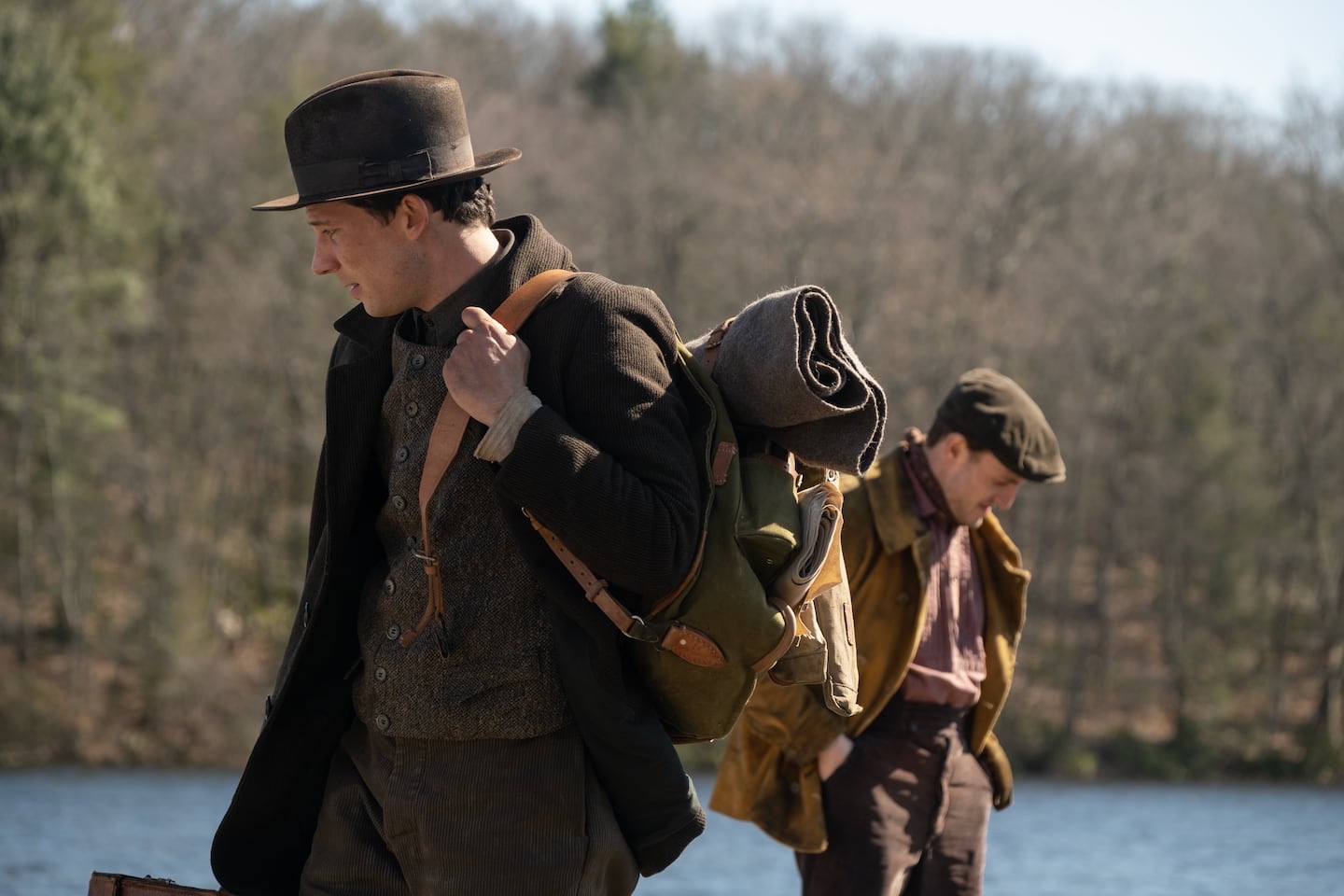
Josh O’Connor, PaulMescal
“THE HISTORY OF SOUND” My rating: B+ (Hulu)
128 minutes | MPAA rating: R
A terrific 2025 release that slipped past my radar, “The History of Sound” offers a love story that resonates on a whole bunch of levels.
Adapted by Ben Shattuck from his short story and directed by Oliver Herrmanus (”Beauty,” “Living”), the film stars Paul Mescal and Josh O’Connor as young men who spend the fall of 1920 traipsing around rural Maine with a primitive machine to record on wax cylinders the songs of the common folk.
That the young men are also engaged in a love affair is enough to earn “The History of Sound” the label of “gay movie,” but it is so much more than that.
The yarn unfolds from the perspective of Mescal’s Lionel, a Kentucky farm boy whose singing voice earns him a slot at the prestigious Boston Conservatory. There he meets aspiring composer David (O’Connor), who is as urbane and charming as Lionel is shy and unsophisticated.
The two begin a relationship interrupted by David’s enlistment in the Army to fight in France. Upon his return David gets a university gig and invites his friend to accompany him on a three-month wander through fields and woods, recording the music made by the locals.
“The History of Sound” echoes a couple of movies: “Soundcatcher” and “Brokeback Mountain.” If you’re going claim antecedents, those are winners. Toss in atmospheric and narrative touches reminiscent of “Train Dreams” and you’ve got a low-keyed heartbreaker.
The screenplay follows Lionel’s life after David. He studies and teaches abroad. He has relationships with both men and women. But always gnawing beneath his seemingly imperturbable surface is a sense of loss. For David has apparently dropped off the map.
Late in the film Chris Cooper appears as the elderly Lionel, a successful musician and academician who has grown gray resigned to a solitary life. No one has ever touched him the way David did. No one ever will.
“The History of Sound” is a quietly beautiful experience, filled with longing, loss and a reverence for the ways in which music works upon the soul. Technical aspects are first rate, from Alexander Dynan’s rich cinematography (it’s never show-off, but always feels right) and the musical soundtrack crammed with sorrowful folk ballads and plaintive fiddle playing.
The acting…well, as if I didn’t already love Paul Mescal to pieces, he here so fully inhabits Lionel that we can almost hear his thoughts beneath that respectful reticence. He’s perfectly matched by O’Connor as a man whose inner life is so carefully guarded that it becomes an unbearable weight.
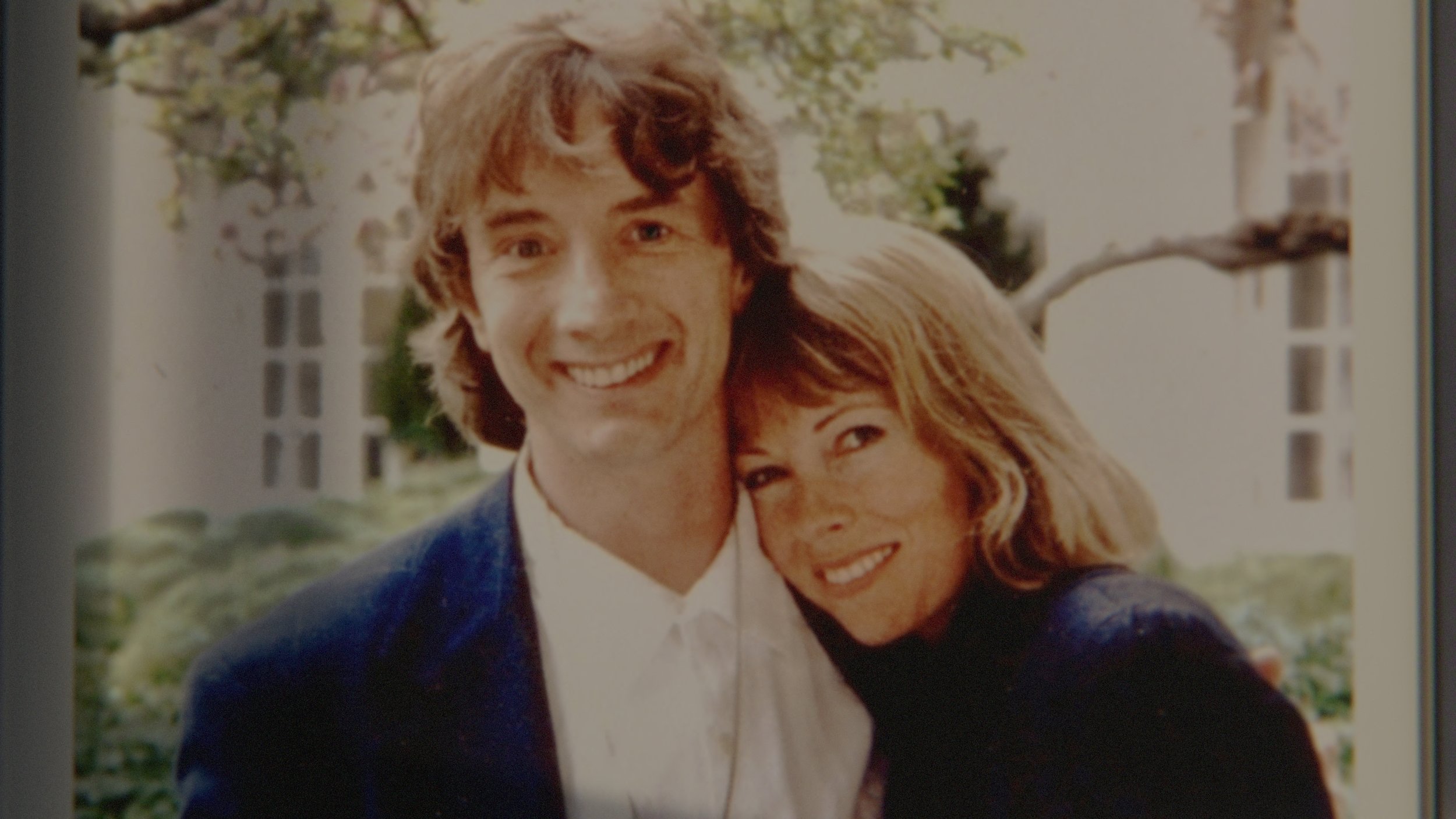
Martin Short, Nancy Dolman
“MARTY, LIFE IS SHORT” My rating: B (Netflix)
99 minutes | No MPAA rating
Martin Short is one of the funniest men on the planet.
Which doesn’t mean he hasn’t endured some pretty hard knocks.
Lawrence Kasdan’s “Marty, Life is Short” is a cinematic tribute from one of Short’s good friends. Actually a lot of Short’s good friends.
Few people, in fact, are so beloved by so many heavy hitters. Among the talking heads who testify to Short’s comedy genius and personal warmth are Steve Martin, John Mulaney, Eugene Levy, Andrea Martin, the late Catherine O’Hara, Tom Hanks, Steven Spielberg.
The film of course features a ton of clips from Short’s career (I could endlessly watch him as geeky Ed Grimley or the pompously uninformed Jiminy Glick), but there are also tons of home movies, many shot during Short’s legendary party weekends.
And the doc also serves as a kind of love story, chronicling Short’s marriage to Nancy Dolman, a fellow actor and comic who appears to have been his ideal spouse. If Short had given up comedy after her death in 2010 no one would have blamed him. Instead he once again demonstrated the life-affirming resilience that has gotten him through career bumps and personal tragedy.
| Robert W. Butler

